If you crave a classic Main Street, riverfront trails, and a relaxed pace within reach of major job hubs, Snohomish might feel like home. You want a place that balances small-town charm with real-world convenience, and a housing mix that fits your budget and lifestyle. In this guide, you’ll get a clear picture of daily life, housing styles and costs, commute options, weekend rhythm, and a practical buyer checklist. Let’s dive in.
Where Snohomish Sits
Snohomish sits along the Snohomish River at the junction of U.S. Route 2 and State Route 9, southeast of Everett and north of Seattle. That gives you quick access to regional corridors for work and weekend trips. Typical driving times into Seattle often land in the 35 to 45 minute range, but traffic can stretch that. The U.S. Census estimates a mean one-way commute of about 29.1 minutes for city residents, which is a helpful baseline if you plan to drive or mix modes like park-and-ride and transit. See the Census QuickFacts snapshot.
Day-to-Day Feel
Historic downtown core
Snohomish’s heart is its historic downtown along First Street and Main Street. You’ll find preserved 19th-century storefronts, independent cafés and bakeries, tasting rooms, small restaurants, and a steady calendar of community happenings. The district is a recognized Washington Main Street community, and the walkable core is a big part of the city’s appeal. Explore the local Main Street flavor through the Historic Downtown Snohomish Association.
Antiquing and small shops
If you love treasure hunting, Snohomish is a day-trip favorite. Several large antique malls and curated vintage boutiques cluster downtown, and weekend foot traffic follows. The retail mix leans local and independently owned, so you can expect rotating finds and one-of-a-kind pieces. Check out a regional round-up of Snohomish antique shops and day trips.
Parks, Trails, and Water
The river and nearby lakes shape everyday recreation. City parks along Blackmans Lake, the Pilchuck River, and the Snohomish River offer boat access points, picnic areas, and easy riverfront strolls. A Community Transit destination guide highlights places like Ferguson Park, Hill Park, Cady Park, and Kla Ha Ya Park, which thread natural spaces into daily life. Get a feel for local park access with this Community Transit destination guide.
Centennial Trail
Snohomish is the southern end of the Snohomish County Centennial Trail, a paved rail-trail that runs north through Lake Stevens to Arlington. You’ll see runners, cyclists, families with strollers, and community events on it throughout the year. Learn more about the trail’s route and surfaces on TrailLink’s Centennial Trail overview.
Aquatic center
The Snohomish Aquatic Center adds year-round, family-friendly recreation with lap swim, lessons, and splash features. It’s a modern facility operated by the school district, and a convenient option if you want indoor activities when the weather turns.
Weekend Events
Snohomish weekends often include the seasonal Snohomish Farmers Market, summer’s Kla Ha Ya Days festival, classic-car gatherings, and studio tours. During these events, downtown gets lively with food booths, music, and visitors from across the county. If you enjoy community traditions, you’ll have plenty to plug into. If you prefer quiet, plan errands and downtown visits around event calendars, especially in peak summer.
Homes and Neighborhoods
You’ll find an eclectic housing mix across Snohomish:
- Near downtown: Older Victorian and early-20th-century homes with porches and period details on smaller lots.
- Mid-century areas: Classic layouts and established streets.
- Water-adjacent pockets: Homes near Blackmans Lake, the Pilchuck River, or the Snohomish River.
- Newer subdivisions: Larger homes and planned neighborhoods farther from the core.
- Manufactured-home communities: Options that can offer value and flexibility.
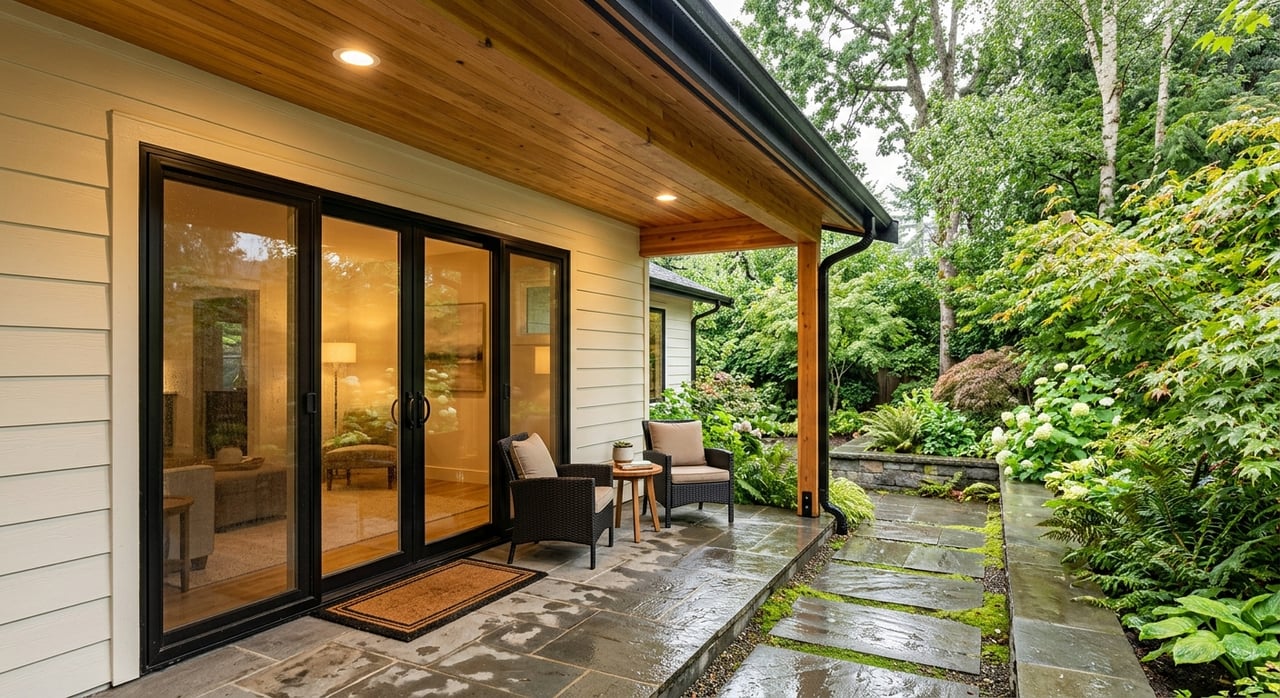
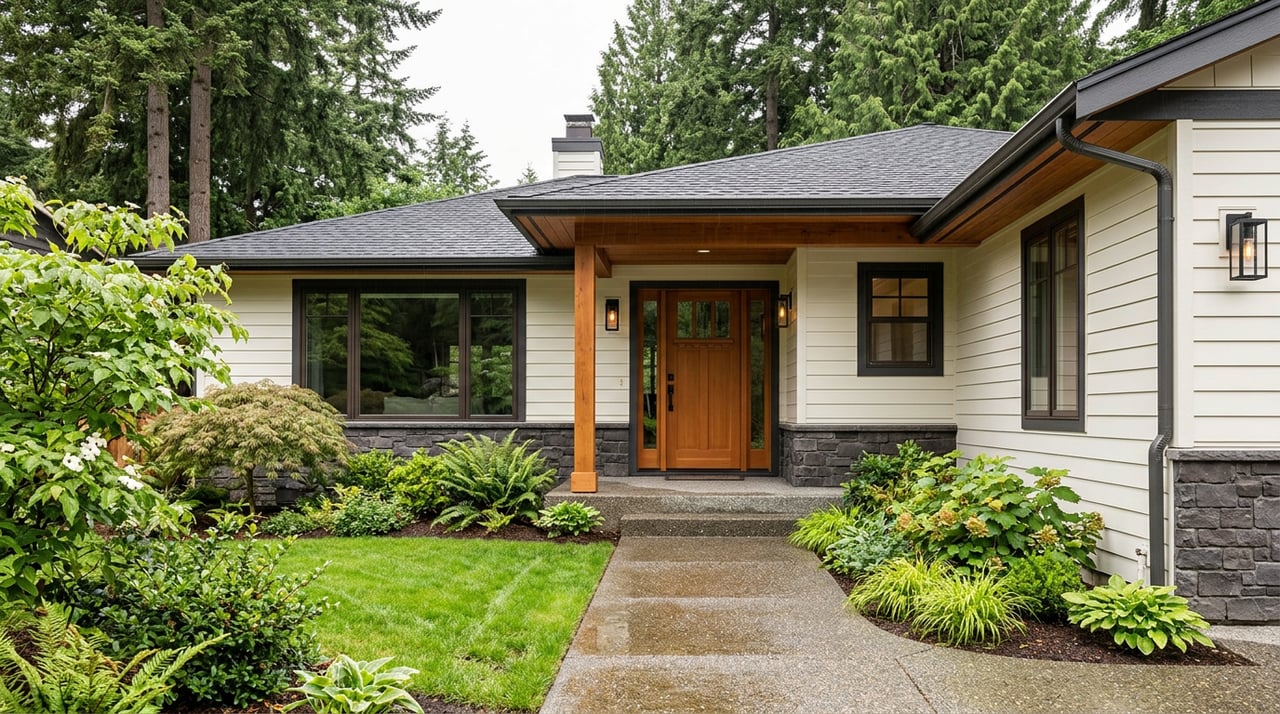
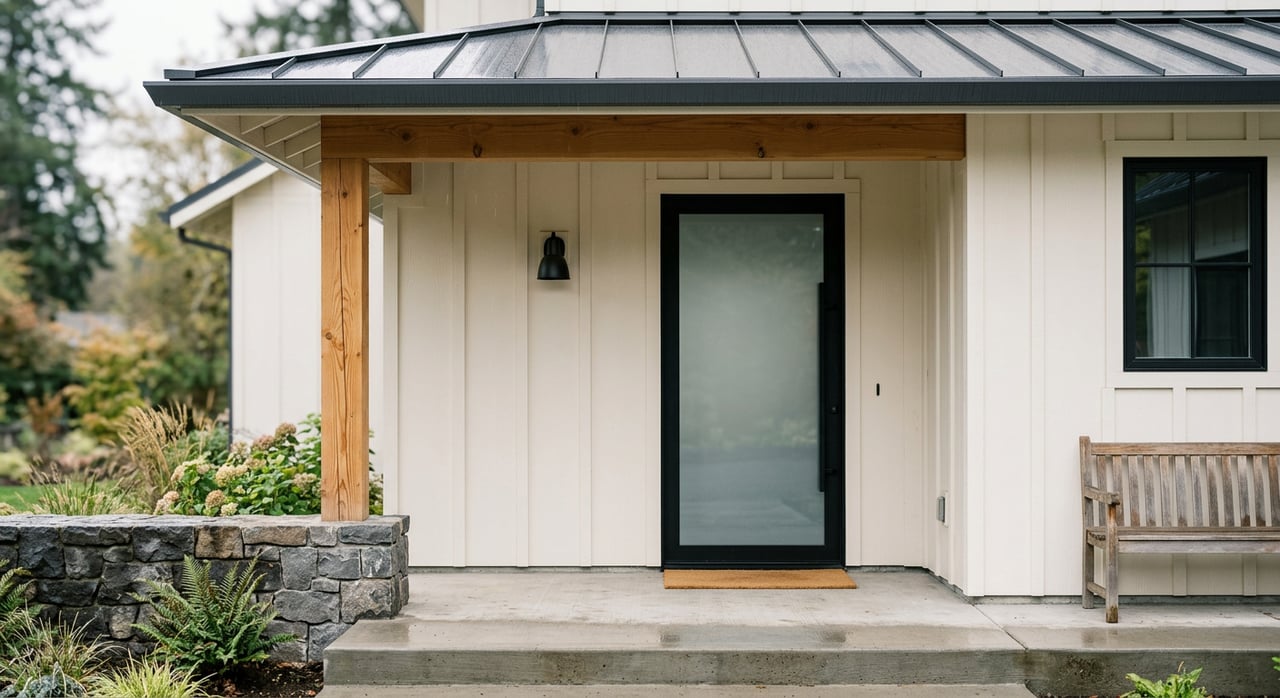
This variety lets you choose between walkability and character near downtown or newer construction and larger lots a bit farther out. If you’re drawn to historic homes, plan for a careful look at systems, foundations, and exterior maintenance. If you want more space and a newer build, be ready to trade some walkability for yard size and attached garages.
Housing Costs Today
Housing data varies by source and timeframe, so treat these as snapshots, not absolutes:
- Zillow’s Home Value Index (a smoothed estimate of typical values) puts Snohomish around 910,788 dollars as of late January 2026.
- Redfin’s January 2026 median sale price shows about 1.445 million dollars, which reflects closed sales in a small market that can swing month to month.
- Realtor.com’s ZIP-level view (example: 98296 in late 2025) shows a median around 927,000 dollars, which captures listing trends for that ZIP and can differ from citywide figures.
- The U.S. Census reports a 2020–2024 median value for owner-occupied homes of about 683,900 dollars, which is a survey-based estimate of housing stock value, not a current sale-price median.
Why the big spread? These metrics measure different things on different timelines. In a small city, a handful of sales can shift a monthly median a lot. The best move is to review a live local MLS feed and compare like-kind homes by neighborhood and condition. If you want clarity fast, I can provide a tailored set of recent sales and active listings so you see the real ranges by property type and micro-area.
Getting Around
Driving
Snohomish is car-friendly, with primary access on U.S. Route 2 and State Route 9. Many residents commute to Everett or hop south to I-5 for trips into Seattle. Regional congestion is a factor during peak hours, so plan for time variability.
Transit options
Community Transit runs local and regional bus routes that connect Snohomish with Everett, Monroe, and Lynnwood, plus a park-and-ride near Avenue D and SR-9. These routes make it practical to reach regional transit hubs without driving into Seattle every day. You can combine park-and-ride with bus service for a balanced commute.
Light rail access
The Lynnwood Link light rail extension opened in 2024, providing frequent service from Lynnwood into Seattle and reshaping some commute patterns. If you live in Snohomish, that typically means a bus or car connection to Lynnwood, then rail the rest of the way. For context on the extension, see the Lynnwood Link coverage.
Air travel
Paine Field in Everett adds a convenient alternative to Sea-Tac for select regional flights. Many residents appreciate the shorter terminal experience and the quick drive compared to heading to the south end of the metro.
Everyday Services
Day-to-day needs are easy to cover. Downtown holds independent restaurants, cafés, and boutiques. City and county parks, a public library, and youth and senior facilities support community life. For larger grocery runs, medical services, and big-box retail, you’ll find options along the Everett and Lynnwood corridors. If you want a sense of the downtown merchant mix, browse the Historic Downtown Snohomish Association’s updates.
What To Watch For
Buyer checklist for Snohomish
Use this quick list to assess fit and reduce surprises:
- Flood risk: Check FEMA flood maps by address and review county flood history if you are near the river or low-lying areas. Start with county alerts and the Snohomish County emergency notices, then confirm specifics on the FEMA Map Service Center.
- Commute test: Drive or take transit at your actual commute time to confirm how long it really takes compared with the Census mean travel time.
- Older-home condition: For Victorian and early-1900s homes, budget time for inspections of foundations, roofs, electrical, and exterior details.
- Walkability vs. lot size: Decide whether you prefer a downtown-adjacent location with easy dining and shopping or a newer subdivision with more yard and garage space.
- Noise and operations: If you are close to airport or industrial corridors, visit at different times of day to gauge activity.
Is Snohomish a Fit?
If you want historic character, a close-knit Main Street, and outdoor access without giving up regional connectivity, Snohomish checks a lot of boxes. You can choose between restored period homes, mid-century charm, and newer communities, then tailor your commute with a mix of driving and transit. Prices vary widely by property type and neighborhood, so the key is comparing like with like and staying current.
If you’re weighing a move, I can help you map the trade-offs clearly, run pricing comps that match your target homes, and line up vendors for inspections or prep. When you are ready to explore, reach out to Jennifer Schultz for a local plan and current MLS insights.
FAQs
Is Snohomish walkable for daily errands?
- The historic core along First Street and Main Street is walkable with many shops and restaurants close together, while most residential areas outside downtown are car-dependent for everyday errands; see the district’s character via the Historic Downtown Snohomish Association.
How long is the commute to Seattle from Snohomish?
- Many drivers see 35 to 45 minutes in typical conditions, but it varies with traffic; the city’s mean one-way commute is about 29.1 minutes according to Census QuickFacts.
What types of homes will I find in Snohomish?
- Expect older Victorian and early-20th-century homes near downtown, mid-century houses, lake and river-adjacent properties, newer subdivisions with larger homes, and some manufactured-home communities.
Can I reach Seattle by transit from Snohomish?
- Yes, Community Transit connects Snohomish to regional hubs, and you can link to the Lynnwood Link light rail for frequent service into Seattle; review background on the extension in this Lynnwood Link overview.
Are there flood risks near the Snohomish River?
- Properties close to the river or in low-lying areas can face seasonal flood risk; check county alerts and verify parcel-level details on the FEMA Map Service Center.
How expensive is Snohomish right now?
- Snapshot data varies: Zillow’s index shows typical values around 910,788 dollars, Redfin’s recent median sale price is about 1.445 million dollars, Realtor.com’s ZIP-level median hovers near 927,000 dollars in 98296, and the Census owner-occupied median value is roughly 683,900 dollars; use a live local MLS view for today’s listings and sales.