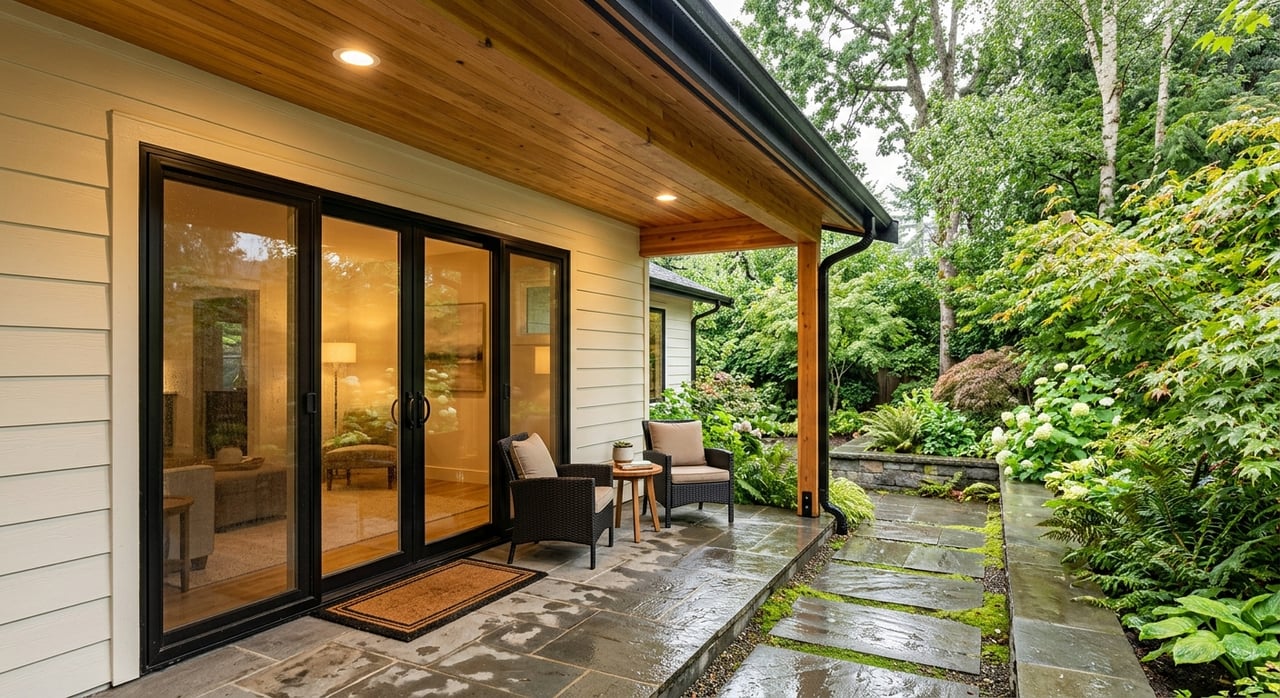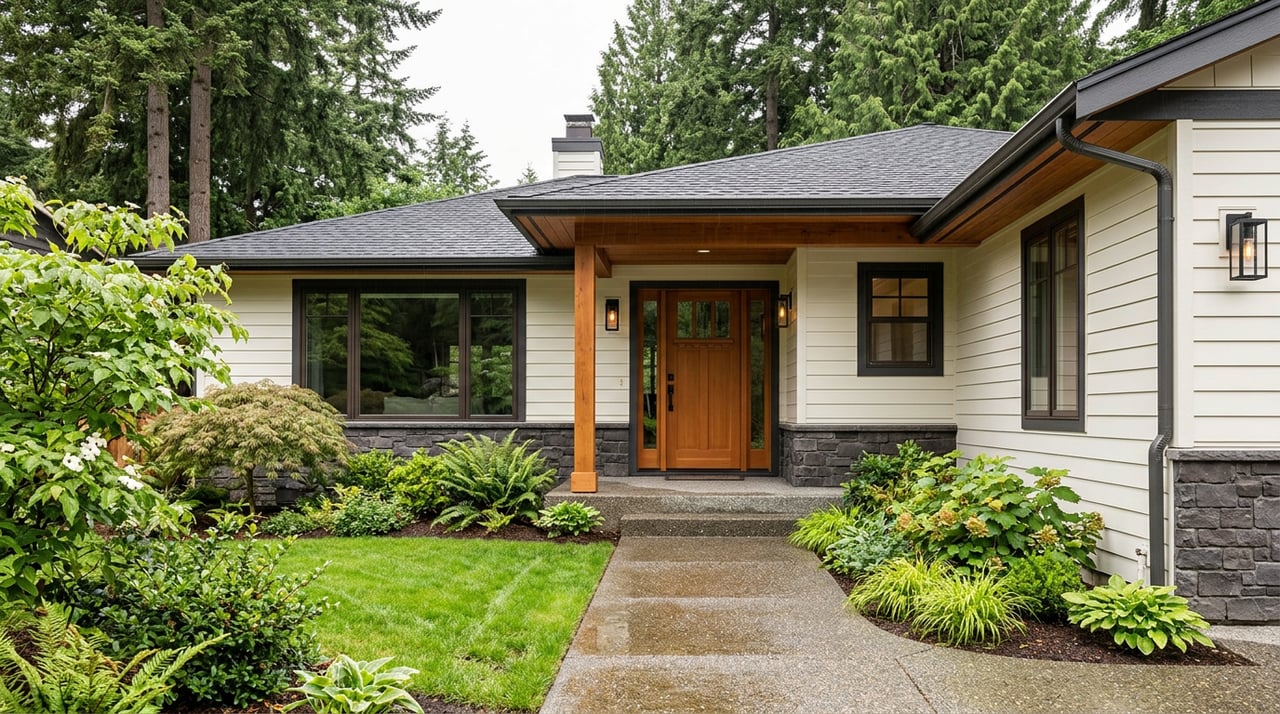
Buying a home in Snohomish should feel exciting, not overwhelming. If you’ve been watching prices bounce around from one website to another, you’re not alone. The key is knowing which numbers to trust, how the process works in Washington, and where to focus your time. This guide gives you a clear, local plan so you can make confident choices from pre-approval through closing. Let’s dive in.
Where the Snohomish market stands now
City numbers move fast month to month, so context matters. In Snohomish city, one data vendor reported a median sale price near $715,000 in February 2026 with about 56 days on market and a small number of sales that month. Another vendor’s valuation index showed a typical value closer to $926,000 and a late-January median sale price around $932,667. Different methods create different headlines, which is why source and date matter.
At the county level, the Northwest Multiple Listing Service (NWMLS) offers a steadier picture. In January 2026, county breakouts showed a residential median around $715,000 and condo median near $470,000, with months of inventory at about 2.8. That level of supply points to a modest seller advantage, not the extreme conditions of 2021–2022. You can review the latest county snapshot on the NWMLS Market Snapshot.
What that means for you
- Expect variation by neighborhood, property type, and month.
- Use city medians for color and county trends for stability.
- Watch months of inventory and days on market to gauge leverage.
What you can buy and for how much
Price bands help set smart expectations before you tour.
- Condos and small townhomes: often in the low-to-mid $400,000s to $600,000s, though inventory can be thin and building factors vary.
- Single-family homes: commonly $600,000 to $1.2 million or more, depending on lot size, updates, and proximity to downtown Snohomish or commuter routes.
- Acreage and newer luxury builds: often over $1 million, with demand shaped by land use, access, and condition.
Neighborhoods across Snohomish show different typical values. Some areas trend in the mid-$500,000s while others sit in the low-$800,000s based on local valuation indexes. The right search plan starts with a clear budget and a short list of target micro-areas.
Your Snohomish homebuying roadmap
Week 1: Pre-approval and budget
Start with a written pre-approval and a clear price band. After you apply, lenders issue a Loan Estimate within three business days. That document outlines interest rate options, estimated closing costs, and cash to close. As of March 5, 2026, the average 30-year fixed mortgage rate was about 6.0 percent, a useful input when mapping monthly payments. Check current rates in the latest Freddie Mac rate summary.
Quick setup checklist:
- Secure a written pre-approval and confirm your max payment comfort.
- Identify 2–4 target areas in Snohomish based on commute and lifestyle.
- Align your must-haves and nice-to-haves to fit inventory.
Weeks 2 and beyond: Search smarter
Inventory has been improving compared to the peak lows, but certain price bands still move quickly. Use recent county trends as your baseline and review area breakouts to understand supply, pricing, and days on market. For a current overview, scan the NWMLS Market Snapshot.
Tour with purpose:
- Compare condition and pricing across similar homes.
- Flag properties that may need specialty inspections early.
- Track likely competition based on days on market and list-to-sale patterns.
Offer to mutual acceptance: Know the clock
Washington uses standardized forms through the NWMLS. The main agreement is Form 21, and you may see common addenda such as Form 35 (inspection), financing, and HOA review forms. Washington contracts include “time is of the essence,” which means every deadline matters. Once you reach mutual acceptance, put each key date on your calendar immediately.
Common contract timelines in Washington
- Inspection period: Often 10 days, negotiated in the offer. Use this window for the general inspection and any needed specialty inspections.
- Financing deadline: Frequently around day 17, subject to lender and the specific financing addendum.
- HOA and resale certificate review: Commonly 5 days if you are buying a condo or within an HOA that requires a formal review period.
- Closing: Typically 30 to 45 days from mutual acceptance for a financed purchase.
Talk through each deadline before you write the offer so you know how long to schedule for inspections, appraisal, and any HOA document review.
Inspections that matter in Snohomish
A strong inspection plan protects your budget and timeline. Your general inspector is your first call. For an average home, plan on a 2 to 4 hour inspection. Local costs often run about $300 to $450, with condos on the lower end and large or complex properties higher.
Specialty checks to consider:
- Sewer scope: Important for older homes or any sign of slow drains. A camera inspection can identify root intrusion or damaged laterals.
- Septic inspection and records: Many Snohomish homes use septic. Before you offer, review system records through the county’s OnlineRME portal and plan for a certified septic inspection if the home is on septic. Start with the Snohomish County septic records page.
- Radon test: Levels vary by house. Washington offers free radon test kits to residents. You can request a kit from the WA Dept. of Health.
- Flood and drainage review: Homes near the Snohomish River, Pilchuck, and valley tributaries may sit in mapped flood zones. Check the Snohomish County Flood Information Center and ask your insurance provider about requirements.
- System specialists: Bring in a licensed roofer, electrician, or HVAC pro if your inspector flags issues. Roof life, older plumbing, and ventilation are common items in our region.
Typical Pacific Northwest findings include drainage and grading concerns, roof wear from rain and moss, aging plumbing, occasional mold or ventilation issues, and localized flood risk near river corridors. Plan your inspection timeline so specialty tests and repair bids can be completed before your contingency deadline.
Financing options and local assistance
Every buyer’s path is different. Here are the most common options you will see in Snohomish:
- Conventional loans: Common with 3 to 20 percent down, depending on program.
- FHA: 3.5 percent down for qualifying buyers, with mortgage insurance.
- VA: 0 percent down for eligible veterans and service members. For state-specific details, review this Washington VA loan guide.
- USDA: Zero-down options for eligible rural properties. Parts of the Snohomish area may qualify, but you must verify by address. See this USDA eligibility overview.
- Jumbo: Used when the loan amount exceeds conforming limits.
Down payment assistance programs:
- Washington State Housing Finance Commission (WSHFC): Home Advantage and related programs can pair with conventional or FHA loans and usually require homebuyer education. Start at HereToHome.
- Snohomish County first-time buyer assistance: The county runs purchase-assistance programs that are income- and area-limited and may change year to year. Review the current Snohomish County application and eligibility guide.
Tip: Ask your lender to outline the total cash-to-close, monthly payment at several rate points, and how rate buydowns or lender credits could improve affordability.
Reading market signals and negotiating well
Understanding a few core metrics goes a long way.
- Months of inventory: At roughly 2.8 months countywide in January 2026, sellers hold a modest edge. Rising inventory can open more room for negotiation. Check updates on the NWMLS county snapshot.
- Days on market and sale-to-list: If homes sit longer or price reductions rise, you may gain leverage on terms or credits. When days to pending compress, expect tighter timelines and stronger offers.
Common negotiation choices in Snohomish:
- Price versus contingencies: You can compete with a stronger price or by tightening contingencies. Shorter inspections and appraisal-gap coverage increase risk. If you go this route, pair it with a written risk plan and reserve cash for potential repairs.
- Earnest money: Local norms often range around 1 to 2 percent of price. Higher deposits can signal strength but must follow contract rules for delivery, holding, and refunds.
- Repairs versus credits: Use your inspection report to request clear, costed repairs or a closing credit tied to estimates. Credits keep closing timelines on track when contractor scheduling is tight. Follow the inspection addendum’s process and deadlines closely.
A simple Snohomish buyer checklist
- Get your written pre-approval and Loan Estimate.
- Define your top 2–4 Snohomish micro-areas and price band.
- Watch county trends and recent comparable sales.
- Tour actively and pre-schedule inspectors you may need.
- Confirm insurance and flood considerations if near waterways.
- Plan your offer strategy: price, timelines, and contingencies.
- Calendar every contract deadline at mutual acceptance.
- Complete inspections and responses before the inspection period ends.
- Monitor appraisal and loan milestones to stay on track for closing.
Ready to buy with confidence?
You deserve a clear path and steady communication from the first showing to the final signature. If you want local data translated into smart choices, a structured plan for inspections and timelines, and calm, skilled negotiation, let’s talk. Reach out to Jennifer Schultz to get a tailored plan for your Snohomish home search.
FAQs
What is the typical price range for a single-family home in Snohomish, WA?
- You will often see single-family homes from about $600,000 to $1.2 million or more, with price driven by lot size, updates, and location within Snohomish.
How competitive is the Snohomish market right now?
- County months of inventory sat near 2.8 in January 2026, which gives sellers a modest edge, but conditions vary by price band and neighborhood.
How long does it take to close on a home in Washington?
- A financed purchase often closes in 30 to 45 days from mutual acceptance, depending on appraisal, title, and loan processing.
What inspections should I plan for in Snohomish?
- Start with a general inspection, then add sewer or septic checks as needed, consider a radon test, and bring in specialists (roof, electrical, HVAC) if flagged.
How do I check if a Snohomish home is in a flood zone?
- Review property location against county resources like the Snohomish County Flood Information Center and confirm insurance requirements with your carrier.
Are there down payment assistance programs I can use?
- Yes. WSHFC’s Home Advantage programs and Snohomish County’s first-time buyer assistance can help eligible buyers with down payment and closing costs.