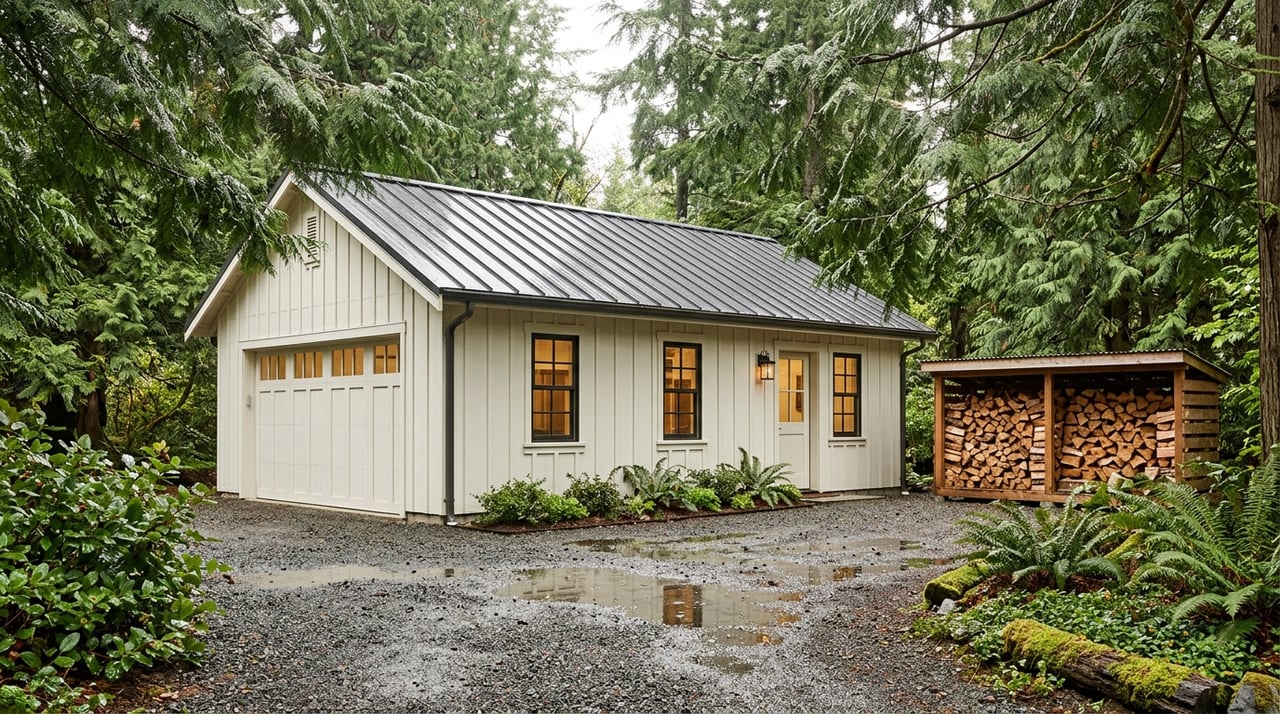
If more space sounds appealing, a Snohomish acreage home can feel like the dream. You may picture room for a garden, hobbies, animals, or simply a little more breathing room than a typical neighborhood lot can offer. But in Snohomish, acreage living also comes with real tradeoffs, and understanding them early can help you make a smarter decision. Let’s dive in.
What acreage means in Snohomish
Not all acreage homes in Snohomish offer the same lifestyle. A property may sit inside city limits, in an urban growth area, or in unincorporated county land, and that difference can shape utilities, land use, and future plans for the property.
Within the city, you are more likely to have municipal services like water, sewer, and stormwater through the city, according to the City of Snohomish utility information. Outside city-served areas, rural properties often depend on private systems and county rules, which can change how you evaluate the home and the land.
Snohomish County also maps and conserves agriculture, forest, and mineral resource lands. That means some acreage properties may be near active farm or forest uses, which can create a more open, working-land setting than a standard subdivision, as shown on the county’s agriculture resource information.
Why buyers love acreage homes
For many buyers, acreage is about flexibility. You may want room for gardening, outdoor projects, extra storage, recreational equipment, or a property that feels more private and spread out.
Snohomish supports that lifestyle in a very real way. The area offers outdoor access like the Centennial Trail, a 30-mile hiking, biking, and equestrian trail, and Lord Hill Regional Park nearby with hiking, horseback riding, mountain biking, and wildlife viewing. If you value outdoor living, Snohomish can be a strong fit.
Acreage can also appeal if you want a property that feels less cookie-cutter. Instead of focusing only on square footage, you may be prioritizing usable outdoor space, separation from neighbors, and room to grow into the property over time.
Utilities can change everything
One of the biggest questions with acreage is how the property is served. If the home is in the City of Snohomish, the city says it provides water, sewer, and stormwater, while electric service is provided by Snohomish PUD and natural gas by Puget Sound Energy, as outlined on the city’s utility services page.
For rural parcels, the setup can look very different. Snohomish County states that an approved well and on-site septic system are required for construction of a residence or a building with plumbing in areas without public systems, according to the county’s sewer and water requirements.
That means you should never assume an acreage property works like a neighborhood home. Before you move forward, it is worth confirming:
- Whether water is public, private, shared, or well-based
- Whether sewer is public or septic
- Who provides power to the property
- Whether utility records are available and current
- Whether the home’s systems match your comfort level for upkeep
Wells and septic need extra attention
Private wells can work well, but they need due diligence. The Snohomish Health District says there are no state or local well inspection requirements tied to the sale of a property with an existing well, but it still recommends reviewing records, inspections, water-quality sampling, and seller disclosures on its well maintenance guidance page.
That matters because well water quality can be affected by above-ground activity like fertilizers, pesticides, livestock, and runoff. If you are considering acreage, a well should not be treated like a minor detail.
Septic systems also deserve careful review. Snohomish County says more than 78,000 homeowners rely on septic systems, and the county maintains septic records that may show system type, location, service history, and as-built information through its septic system resources.
The health department is also developing a property-transfer inspection program tied to a statewide 2027 requirement for septic inspections at sale, according to the health code update page. If you are buying acreage, septic status may become an even more important closing issue in the years ahead.
Land maintenance is part of the deal
More land usually means more responsibility. That can be a great trade if you enjoy outdoor upkeep, but it can feel overwhelming if you want a low-maintenance property.
Snohomish County notes that it does not handle private-road disputes as a code-enforcement issue and has not adopted a property maintenance code, based on its code enforcement information. In practical terms, that means owners often carry more responsibility for things like overgrown vegetation, hazardous trees, fences, and general site upkeep.
On acreage, maintenance may include:
- Mowing and vegetation control
- Drainage monitoring during wet months
- Fence repair and boundary upkeep
- Tree management
- Private driveway or private road maintenance
- Easement awareness and access planning
If you love hands-on ownership, this may feel worthwhile. If you want simple weekend upkeep, acreage may feel like more work than expected.
Flood risk and site limits matter
Acreage buyers sometimes focus on how much land they are getting without fully asking how much of that land is truly usable. In Snohomish County, floodplain rules, critical areas, buffers, and permit requirements can affect what you can build or change later.
The county defines special flood hazard areas as the 100-year floodplain with a one percent or greater annual chance of flooding and recommends checking FEMA flood maps and local flood-risk guidance for each property. The county also states that critical areas and buffers must be identified on site plans, and setbacks can extend onto the parcel being developed under its critical area requirements.
This can affect more than the house itself. It may influence future plans for a shop, barn, driveway expansion, grading, or additional landscaping.
If you hope to clear land or make major changes, permits may also come into play. Snohomish County explains on its permit information page that significant clearing, grading, or paving may require a Land Disturbing Activity permit, and some farmland projects can also trigger shoreline or flood-hazard permits.
Commute tradeoffs are real
Acreage often gives you more space, but it may also ask more from your daily routine. If you commute regularly, travel times and route reliability should be part of your decision.
WSDOT describes State Route 9 as a key north-south alternative to I-5 through Snohomish County, but notes that peak travel times bring regular congestion. WSDOT also notes that the US 2 trestle is the only direct route across the Snohomish River between eastern Snohomish County and the I-5 corridor in Everett, which adds another layer to commute planning.
For some buyers, that tradeoff is easy to accept. If you work remotely, have hybrid flexibility, or do not need a short daily commute, acreage can be a great fit. If you want highly predictable travel times and easy access to city services every day, a more traditional in-town property may be the better match.
Signs acreage is a good fit
An acreage home in Snohomish may be right for you if you want a property that supports your lifestyle, not just your housing needs.
You may be a strong fit for acreage if you:
- Want more privacy and outdoor space
- Enjoy gardening, projects, or land-based hobbies
- Are comfortable learning about wells, septic, and drainage
- Understand that more land usually means more upkeep
- Can tolerate a less predictable commute
- Value flexibility more than turnkey simplicity
Signs it may not be the best fit
Acreage is not automatically better. It is just a different ownership experience.
You may want to think twice if you:
- Prefer city utilities and straightforward maintenance
- Want a property with minimal exterior work
- Need the shortest and most predictable commute possible
- Do not want to manage septic, well, or drainage questions
- Expect every acre to be fully usable without restrictions
How to shop smarter for Snohomish acreage
The right acreage purchase starts with the right questions. A beautiful setting can be exciting, but details matter more on land-rich properties than they often do on standard lots.
As you evaluate homes, focus on these basics first:
- Confirm whether the property is in city limits or unincorporated county land
- Verify water source, septic status, and power service
- Review available septic and well records
- Ask about private roads, easements, and maintenance responsibilities
- Check floodplain and critical-area mapping
- Understand whether future clearing, grading, or additions may require permits
- Consider how the location fits your actual weekly commute and lifestyle
If you plan to dig for fencing, trenching, landscaping, or future structures, Snohomish PUD says to call 811 before digging at least two working days in advance for projects more than 12 inches deep. That is a small example of how acreage ownership often comes with a few more moving parts.
The good news is that acreage can be incredibly rewarding when it matches the way you actually live. If you want help weighing the tradeoffs, comparing properties, and asking the right due-diligence questions, reach out to Jennifer Schultz for clear, local guidance.
FAQs
Is a Snohomish acreage home more likely to have a well and septic?
- Yes, many rural Snohomish acreage properties rely on private wells and on-site septic systems, while homes in city-served areas are more likely to have municipal water and sewer.
What should you check before buying acreage in Snohomish?
- You should confirm utilities, review well and septic records, check flood and critical-area maps, and understand access, easements, and maintenance responsibilities.
Can floodplain or buffer rules affect a Snohomish acreage property?
- Yes, flood hazard areas, critical areas, and required buffers can limit where you build, clear, grade, or place future improvements on the property.
Is a Snohomish acreage home a good choice for commuters?
- It can be, but commute times may be less predictable because key routes like SR 9 and the US 2 trestle often experience congestion during peak periods.
Does more acreage always mean more usable land in Snohomish?
- No, usable land can be affected by wetlands, floodplain mapping, critical areas, setbacks, drainage, and permitting limits.