If you want a place that feels connected without feeling crowded, Monroe may already be on your shortlist. For many buyers, the appeal is simple: you get a small-town setting, practical access to other parts of the region, and everyday amenities that make life easier. If you are wondering what it is really like to live in Monroe, Washington, this guide will walk you through the city’s layout, housing mix, commute patterns, and day-to-day lifestyle. Let’s dive in.
Monroe offers a balanced lifestyle
Monroe sits in southern Snohomish County in the foothills of the Cascade Mountains near the Skykomish River. The city describes itself as a place where small-town living and urban conveniences coexist, and that is a useful way to think about it if you are comparing Monroe with other Snohomish County communities.
In everyday life, that balance shows up in a few clear ways. You have a historic downtown, major road connections, shopping and services in multiple parts of the city, and a strong parks system that keeps outdoor space close to home. Monroe does not read as highly urban, but it is not isolated either.
Downtown Monroe has a historic core
Downtown is one of the biggest reasons Monroe feels distinct. The city describes Main Street, between US 2 and Madison Street, as a locally owned, historic core with restaurants, retail, and community events, including seasonal gatherings and parades.
That historic feel is also part of the physical layout. City design guidance describes a diagonal Main Street, a more traditional street grid around it, and older storefronts built close to the sidewalk. For you, that can translate into a downtown area that feels compact, walkable in form, and visually consistent.
Downtown is meant to stay central
Monroe’s planning documents make it clear that downtown is intended to remain the city’s historic and mixed-use center. The long-range vision includes more housing, more mixed-use activity, and future development that fits the area’s established pattern.
That matters if you want a community with an identifiable center rather than a city that feels spread out with no focal point. Downtown Monroe is positioned as a gathering place, not just a pass-through corridor.
Housing in Monroe varies by area
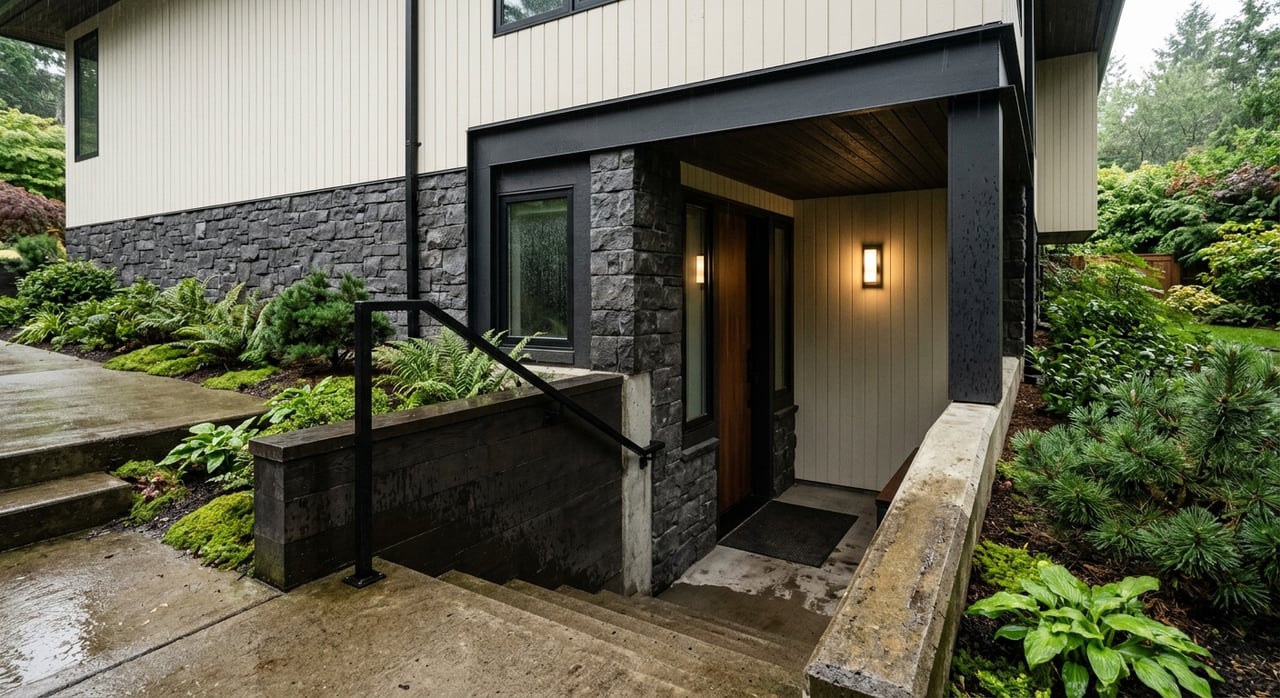
One of the most useful things to know before moving to Monroe is that it is not a one-style housing market. The city says more than 70 percent of housing units were built after 1990, which means a large share of the housing stock is relatively newer compared with many older Pacific Northwest communities.
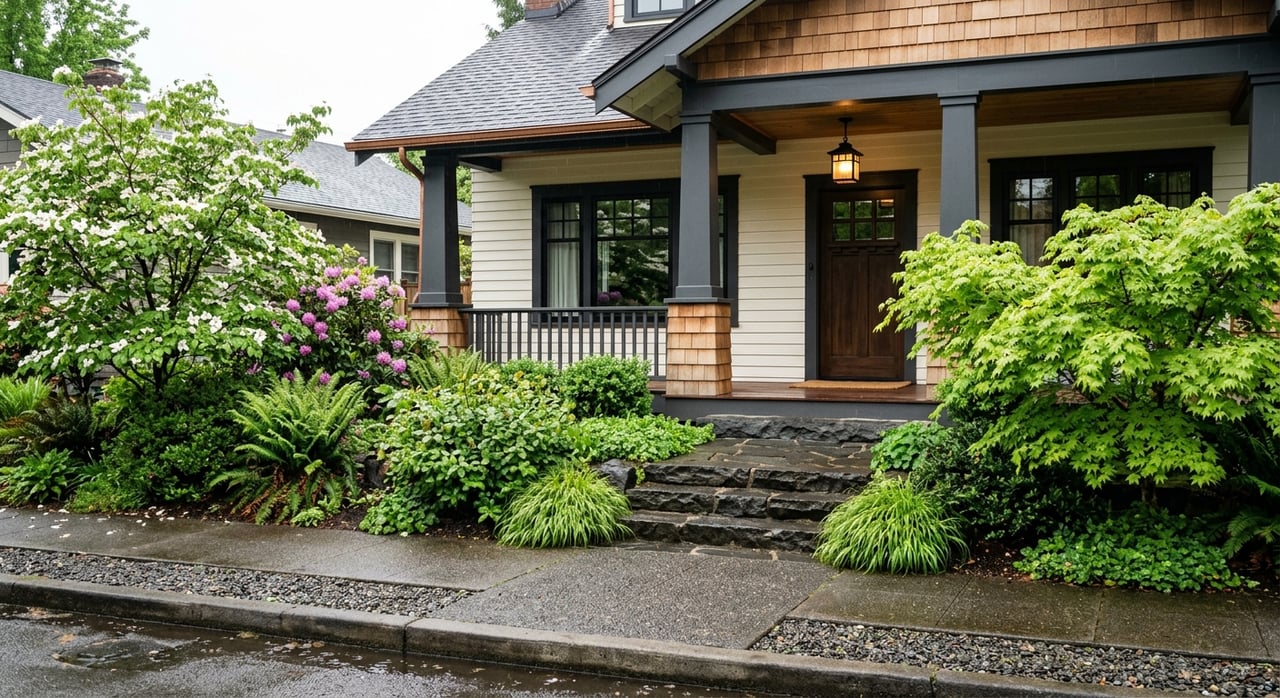
At the same time, Monroe is still predominantly a one-unit detached housing market. So if you are looking for a traditional single-family home, you will likely find that style well represented across the city.
North of US 2 feels more suburban
North of US 2, the city describes substantial detached-home development on larger lots. If your priorities include a more suburban pattern, newer construction, or a little more separation between homes, this part of Monroe may be especially relevant.
This area often appeals to buyers who want a home-centered lifestyle with easier access to neighborhood-style residential development. It is a good reminder that Monroe’s growth has not all happened in one form or one location.
South of US 2 has more variety
South of US 2, especially around 154th Street SE, the housing mix becomes more varied. The city identifies detached homes, apartments, condominiums, and other attached housing types on smaller lots in this part of Monroe.
For buyers, that means you may have more options if you are looking for a condo, townhome-style living, or a more compact footprint. It also means Monroe can work for different budgets and life stages, depending on the specific area you target.
Future growth will add more choices
Monroe’s planning framework allows for and anticipates a range of housing forms in selected areas, including ADUs, duplexes, townhomes, apartments, and mixed-use residential development. The city identifies places like downtown, South Monroe, and North Kelsey as part of that broader growth pattern.
If you are thinking long term, this suggests Monroe is working to expand housing choice rather than remain limited to one product type. That can be important for buyers who want flexibility, investors evaluating future demand patterns, or sellers trying to understand how the city may evolve.
Monroe is built for regional access
Commute patterns matter, especially if you work outside Monroe or split your week between multiple cities. Monroe is strongly shaped by its road network, and that is a major part of daily life here.
The city’s transportation plan says US 2 runs east-west through Monroe toward Everett. SR 522 connects Monroe with Seattle by way of Woodinville, Bothell, and Kenmore. SR 203 links Monroe with Duvall, Carnation, Fall City, and the I-90 corridor at North Bend.
Driving is often the default
In practical terms, Monroe works well for people who are comfortable with a driving-first routine. The road network gives you direct connections in several directions, which is part of why Monroe appeals to buyers who want more space or a different pace without fully disconnecting from job centers and services elsewhere in the region.
That said, your experience will depend on your exact destination and schedule. If commute convenience is high on your list, it helps to map out your likely routes and timing before you buy.
Transit options still exist
Monroe also offers structured transit options through Community Transit. The Monroe guide lists routes 270 and 271 to Everett Station, plus route 424 to Seattle via Snohomish Park & Ride.
The city’s transportation plan notes one park-and-ride facility at 17433 Highway 2, and Community Transit also offers Vanpool and DART paratransit. So while Monroe is not a transit-first city, you do have alternatives for some commuter patterns.
Parks and outdoor access are a real perk
For many people, Monroe’s parks system is a big part of what makes the city livable. The city says it manages 17 parks across 288 acres, along with 23 trails totaling 14 miles. It also offers sports fields, playgrounds, courts, shelters, and more than 30 events each year.
That amount of park infrastructure gives Monroe an active, outdoors-oriented feel in daily life. Whether you want a place to walk, gather, play, or just get outside for a bit, parks are not an afterthought here.
Lake Tye Park anchors community events
Lake Tye Park is the city’s event park. According to the city, it hosts activities such as Music in the Park, Movies Under the Moon, wakeboard competitions, triathlons, and other community gatherings.
If you like living in a place where public events are part of the rhythm of the year, this is one of Monroe’s strongest lifestyle features. It gives the city a communal feel without requiring a highly urban setting.
Riverfront parks add natural space
Al Borlin Park is Monroe’s largest park at 90 acres and includes river frontage and soft-surface trails. Lewis Street Park, the city’s oldest park, connects to Al Borlin by pedestrian bridge, which adds to the sense of connected open space.
Skykomish River Park also plays a major role, with baseball and soccer fields, pickleball courts, a pathway, and reservable shelters. Together, these parks give Monroe a strong river-and-park identity that sets the tone for everyday recreation.
Daily errands are spread across key areas
Monroe’s conveniences are not concentrated in just one district. Instead, the city’s shopping, dining, and services are spread across downtown, the US 2 corridor, and North Kelsey.
Downtown offers restaurants and a wide range of retail goods and services. The city’s land-use plan says most large-format retail and services are located along US 2, while North Kelsey functions as a shopping and service node with stores, entertainment, restaurants, and hotels.
What that means for everyday life
If you move to Monroe, your day-to-day routine will likely involve different parts of the city depending on what you need. You may head downtown for local businesses and community events, use the US 2 corridor for larger-format errands, and look to North Kelsey for additional shopping and services.
That setup supports convenience without making Monroe feel like a single commercial strip. It also reflects the city’s blend of historic character and newer suburban growth.
Who Monroe may fit best
Monroe can be a strong fit if you want a city with a defined downtown, a mostly suburban housing base, and easy access to parks and regional road connections. It can also make sense if you want a little more breathing room than a denser urban environment, while still keeping practical access to Everett, Seattle-side routes, and nearby Snohomish County communities.
It may be especially appealing if you are comparing communities based on housing variety. Monroe offers traditional detached homes in many areas, but it also includes condos, apartments, and attached housing in others, with plans for more mixed-use and multifamily growth over time.
Final thoughts on living in Monroe
Monroe offers a mix that is not always easy to find in one place. You get a historic downtown, newer suburban development, strong park access, and regional connectivity, all within a city that still feels grounded in its own identity.
If you are considering a move, the key is to match the right part of Monroe to your goals. Some buyers want newer detached homes north of US 2. Others prefer more housing variety closer to downtown or south of US 2. The right fit depends on how you want to live day to day.
If you want help comparing neighborhoods, understanding local housing options, or planning your move in Snohomish County, Jennifer Schultz can help you make a clear, informed decision.
FAQs
What is the overall feel of living in Monroe, Washington?
- Monroe offers a mix of small-town living and practical everyday convenience, with a historic downtown, suburban-style housing areas, regional road access, and a strong parks system.
What types of homes can you find in Monroe, Washington?
- Monroe is still predominantly a detached-home market, but it also includes apartments, condominiums, attached housing, and planned mixed-use residential growth in selected areas.
What is downtown Monroe, Washington like?
- Downtown Monroe has a historic, locally oriented feel with restaurants, retail, community events, and older storefronts built close to the sidewalk along Main Street.
Is Monroe, Washington good for commuting?
- Monroe is built around road access, with US 2, SR 522, and SR 203 providing connections to surrounding areas, and Community Transit offering select commuter routes to Everett and Seattle.
What outdoor amenities are available in Monroe, Washington?
- Monroe has 17 parks, 23 trails totaling 14 miles, riverfront spaces, sports fields, playgrounds, courts, and event-focused community parks like Lake Tye Park.
Where do people shop and run errands in Monroe, Washington?
- Daily errands are typically spread across downtown, the US 2 corridor, and North Kelsey, where you will find a mix of local businesses, larger-format retail, restaurants, and services.